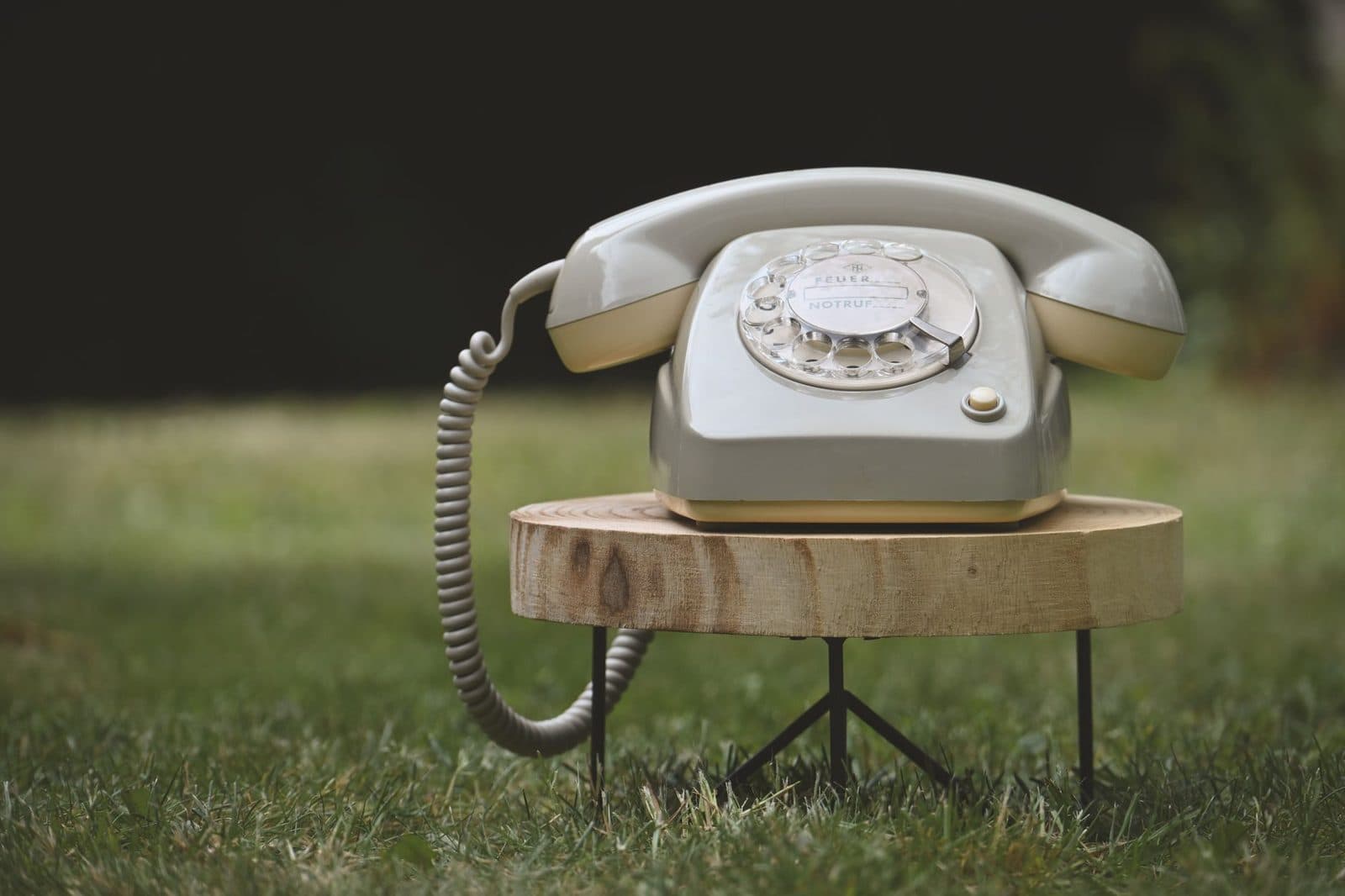
Short answer: in a medical emergency abroad, the fax is not a relic — it is often the only channel the other party will accept with no account, no portal and no prior identity verification. Three players still rely on it in 2026: hospital admissions and medical records departments (in Quebec and English Canada, in Germany, Spain, Italy and Portugal), the 24/7 assistance desks of travel insurers and payment cards, and medical repatriation companies. What they ask for is always the same bundle: a payment guarantee (letter of guarantee), a records release authorisation signed by the patient or their representative, and sometimes a power of representation. Dialling from Europe to Canada, it is 00 1 followed by the ten digits (514, 450, 418, 819 in Quebec, 416, 613, 604, 403 elsewhere); for Germany 00 49, Spain 00 34, Italy 00 39, Portugal 00 351, Belgium 00 32.
About MondialFax. This article is an informational guide, with no connection to any hospital, insurer, assistance provider or repatriation company. MondialFax sends faxes free of charge and without registration to seven destinations (France, Belgium, Germany, Spain, Italy, Portugal, Canada) from a browser, with a daily sending limit. It does not assign a number and does not handle incoming faxes. See the supported countries page and the directory of dialling codes.
Why medical emergencies remain fax territory
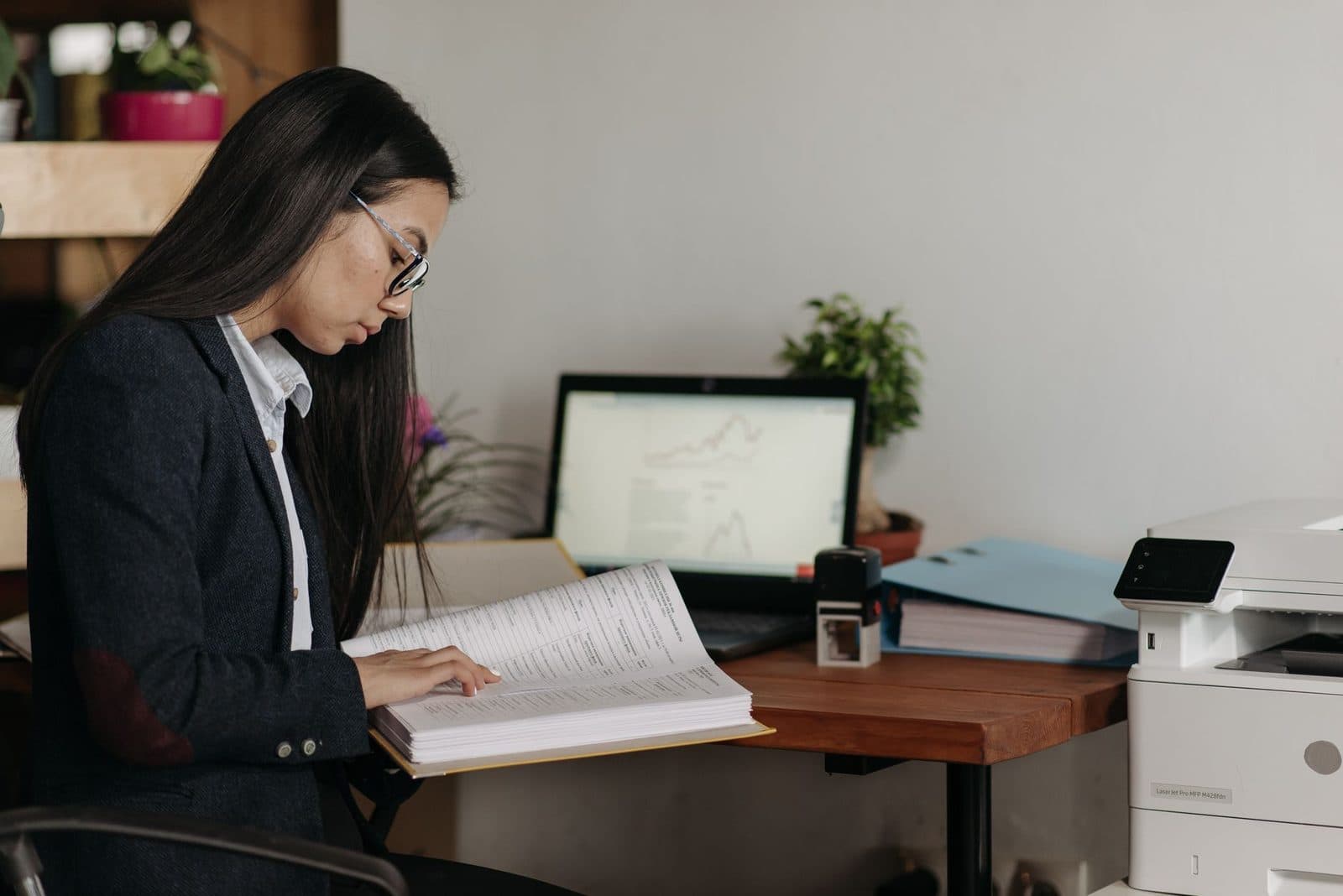
A portal assumes three things an emergency never has: an account created in advance, a verified identity and processing time. And the person calling at 3 a.m. is rarely the patient: it is a spouse back in France, a child in Brussels, a colleague in Lisbon. So all three links in the chain have kept a channel that accepts a handwritten signature and a photographed ID document, immediately, without opening a digital case file.
Three constraints explain this persistence.
Consent must be written and signed. In Quebec, releasing a patient's file to a third party is governed by the Loi sur les services de santé et les services sociaux and the Loi sur la protection des renseignements personnels dans le secteur privé: without written authorisation from the patient (or their mandatary, or the holder of parental authority), the medical records department releases nothing. In Germany, medical confidentiality carries criminal penalties (§ 203 of the Strafgesetzbuch) and clinics require a signed Entbindung von der Schweigepflicht. In Spain, Ley 41/2002 on patient autonomy governs access to the historia clínica. In all three cases, an unsigned email is not enough; a fax bearing a handwritten signature is, in everyday departmental practice.
The payment guarantee is a contractual document. Outside public coverage, a North American hospital will not commit to covering costs on a verbal promise. The assistance provider sends a letter of guarantee to the billing department, which returns it annotated. In 2026, this back-and-forth is still very largely done by fax — because it leaves a time-stamped trail on both sides and does not depend on getting an email domain whitelisted.
Assistance desks operate 24/7 across many countries. An assistance provider receives documents from dozens of countries, in unpredictable formats. Many still publish, alongside their phone number, a dedicated fax number for medical documents: it is their easiest queue to track. Most travel insurance contracts and payment card benefit notices (Visa Premier, Gold Mastercard and equivalents) list that number in the "How to file a claim" section.
The four documents that actually circulate
| Document | Who issues it | Who receives it | Channel observed in 2026 |
|---|---|---|---|
| Medical records release authorisation | Patient or mandatary | Medical records / Patientenverwaltung / admisión | Fax or in-person submission |
| Payment guarantee (letter of guarantee) | Insurer / assistance provider | Hospital billing department | Fax, sometimes encrypted email |
| Medical report on fitness to travel | Treating physician on site | Assistance provider's coordinating physician | Fax or secure messaging |
| Claim declaration + supporting documents | Policyholder or family | Contract administrator | Portal, email, fax as fallback |
Two practical notes. First, order matters: the records release authorisation must go out before any request for a report, otherwise the hospital refuses and a day is lost. Second, every transmission must carry a case number: the assistance provider's, the hospital admission number, or both. Without that number, a fax landing in a medical records tray is attached to nothing.
Country by country: who still picks up
Canada and Quebec. Almost all facilities in the Quebec network publish a fax number for medical records, sometimes separate from the admissions number. Local vocabulary should be respected: write "télécopieur", "courriel", "dossier de l'usager", "carte d'assurance maladie" (RAMQ). For a European tourist, RAMQ covers nothing unless an applicable social security agreement exists (France has a social security agreement with Quebec, but its scope remains limited to the situations covered by the relevant forms): the bill is private, so the payment guarantee is central. The network's administrative details and other Canadian procedures are covered in our guide to faxing in Quebec in 2026 and in the one devoted to why Canada still faxes in healthcare.
Germany. Krankenhäuser and Universitätskliniken route the file to the Patientenaufnahme or the Sozialdienst; many publish a Faxnummer next to the phone number. The migration to KIM (Kommunikation im Medizinwesen) covers exchanges between German professionals and is not open to a foreign family: for a third party outside the system, fax remains the realistic channel.
Spain and Portugal. In Spain, admisión and the servicio de atención al paciente often keep a fax number, even where general administrative procedures have moved to the registro electrónico — which requires a certificate or Cl@ve, and therefore a Spanish identity. In Portugal, SNS hospitals and private units (CUF, Lusíadas) work the same way, with a número de fax at the serviço de admissão.
Italy. Aziende ospedaliere point you to the ufficio relazioni con il pubblico (URP). PEC is the official tool, but it presupposes an Italian PEC mailbox: out of reach for a visitor. Here too, fax serves as the back door, as explained in our article on PEC and the legal value of fax in Italy.
Belgium. eBox and MyMinfin cover administrative matters, not hospital ones. Belgian hospitals keep a patient records department reachable by fax or postal mail.
The emergency file to prepare before you leave
The classic mistake is to look for everything once the crisis hits. Good practice fits on one page, prepared calmly in advance.
To gather before travelling, in digital and paper form:
- the policy notice for your travel insurance or payment card, with the 24/7 phone number and the fax number;
- the ID document of the patient and of the relative who will act on their behalf;
- a records release authorisation template, already signed if the person is at risk (medically supervised travel, long stay);
- the list of current medications, using international non-proprietary names — brand names change from one country to the next;
- for long or remote trips, the useful pages of a travel health guide remain more reliable than a frantic search on an overloaded mobile network.
On the equipment side, two items change everything in a hotel room: a portable sheet-fed document scanner, which produces a clean PDF where a phone photo gives shadows and skewed edges, and a fast-charging power bank to get through a day in a waiting room. If the stay is long and involves repeated paperwork, a portable wireless printer lets you print a form you have received, have it signed and send it back within the hour. For bulky files, a rigid A4 document folder prevents the creases that make a page illegible after faxing.
Sending the page from abroad, without a fax machine
The concrete situation: you are in Montreal, Berlin or Valencia, you have neither a machine nor an analogue line, and a records department is asking you for a fax. Three options exist.
The first is an online service. You upload a PDF from a browser and the service handles the dialling. It is the only option that works from a phone, with no hardware. MondialFax sends to the seven covered destinations, free of charge and without registration, with a daily limit — details are on the send a fax abroad page. One thing to note: the fax goes out, but the reply will not come back to you, since no incoming number is assigned to you. So the cover page must show a callback email and phone number.
The second is a local business. In Quebec, many pharmacies, office supply stores and hotel business centres still send faxes by the page. In Germany and Spain, Copyshops and copisterías fill that role. It is slow, it costs money, and the confidentiality of a medical document there is weak: reserve it for non-sensitive items.
The third is the hospital itself. The social work department, the Italian URP or the Portuguese serviço de atenção ao utente will often agree to print and forward internally a document received by email. Ask explicitly: it saves a step.
In all three cases, the cover page makes the difference. It must show: the patient's full name and date of birth, hospital file number, assistance provider case number, the exact destination department, the total number of pages, and a contact reachable in the recipient's time zone. Our fax cover page template covers these details. And since Montreal is six hours behind Paris, check the arrival time: a records department opening at 8:30 a.m. Eastern receives at 2:30 p.m. Paris time, a point covered in our guide to faxing across time zones.
Image quality: the number one cause of rejection
A medical file is rarely rejected on legal grounds. It is rejected because the signature is a smudge, because the date of birth is illegible, or because a form was scanned crooked.
Four settings are enough:
- 300 dpi in black and white, not greyscale: a greyscale scan sent as a fax produces a dirty background;
- a consistent A4 or Letter size — a Letter document (the North American format) sent as A4 sometimes loses a strip at the bottom of the page, and that is exactly where the signature sits;
- no highlighter : it comes out as solid black and hides the text;
- a signature in black ballpoint, never in pencil or pale blue fineliner.
For ID documents, photocopy them enlarged to 120%: a card at 100% becomes illegible after compression. The remaining settings are detailed in our article on illegible faxes and scanning.
Confidentiality: the point not to overlook
A medical document is health data, and therefore sensitive data within the meaning of the GDPR (Article 9) for any transmission from the European Union. Three common-sense rules:
- Check the number twice, digit by digit, out loud with the department. A single wrong digit sends a diagnosis to a stranger.
- Do not fax more than necessary: the release authorisation, yes; the entire prior medical history, no.
- Do not leave the original in the output tray of a Copyshop or business centre.
The full framework is set out on our fax confidentiality and security page.
Frequently asked questions
Will a Canadian hospital accept an authorisation signed and scanned from Europe?
In practice, yes, provided the signature is handwritten, legible, and accompanied by a copy of an ID document. Some departments also require proof of relationship (family record book, marriage certificate, protection mandate). Ask for the exact list by phone before sending: it varies from one facility to another, not from one province to another.
Can I receive the hospital's reply by fax?
Not with a send-only service: no incoming number is assigned. Put an email address on the cover page, or ask for postal delivery. How an incoming number works is explained on the receive a fax page.
Does a fax count as proof if the insurer later disputes the claim?
A transmission report is not proof that the document was read. For a claim subject to a deadline, double up: fax for speed, then email or registered letter for the record. The topic is covered in our article on fax confirmation receipts.
What if the hospital has discontinued its fax number?
This is happening more and more, particularly in Spain and in some Italian regions. In that case, ask for the postal address of the patient records department and, for the payment guarantee, let the assistance provider handle it directly: they have professional channels you do not.
Do the documents need to be translated?
An authorisation signed in French is accepted in Quebec and, in most cases, in French-speaking Belgium. Elsewhere, attach a version in the local language or in English. For a medical report intended for a repatriation, the assistance provider usually handles the technical translation.
Key takeaways
- Only three players matter in an emergency abroad: the hospital, the assistance provider and the repatriation company — and all three still accept faxes for signed documents.
- The sending order is records release authorisation → request for report → payment guarantee.
- Every page must show the name, date of birth, case number and a contact reachable in the recipient's time zone.
- Dialling remains
00+ country code + number, without the national leading zero;00 1+ ten digits for Canada. - Prepare the file calmly, in advance, before departure: it is the only variable genuinely under your control.
- An online service sends but does not receive: always plan a return channel.
Tagsfaxdestinationssecurity